
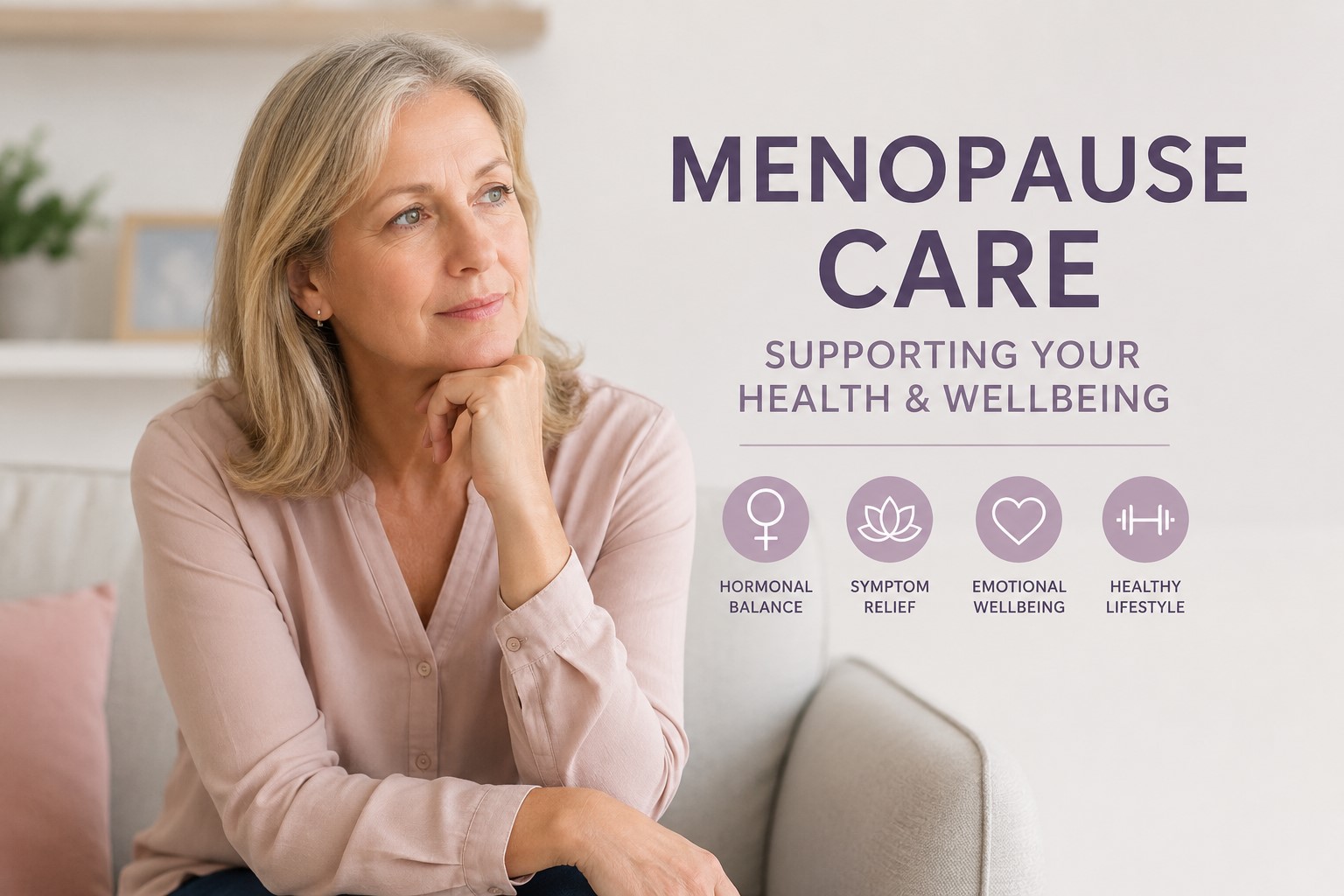
Menopause is a natural stage of life that marks the end of a woman’s reproductive years. While it is a normal biological process, the physical and emotional changes associated with menopause can vary greatly from one person to another. Understanding what to expect and knowing when to seek medical advice can help women manage symptoms more effectively and maintain their overall wellbeing.
For women seeking Menopause Care in Melbourne, having access to accurate information and appropriate healthcare support can make this transition more manageable. From lifestyle adjustments to medical guidance, menopause care focuses on improving quality of life rather than simply treating symptoms.
What Is Menopause?
Menopause is officially diagnosed when a woman has gone 12 consecutive months without a menstrual period. It usually occurs between the ages of 45 and 55, although some women experience it earlier or later.
The transition into menopause happens gradually as the ovaries produce lower levels of the hormones estrogen and progesterone. These hormonal changes affect many systems throughout the body, leading to a wide range of symptoms.
Menopause is generally divided into three stages:
Perimenopause
Perimenopause is the transition period before menopause. It may begin several years before menstrual periods stop completely. Hormone levels fluctuate during this stage, causing irregular periods and early menopausal symptoms.
Menopause
Menopause is reached after 12 months without a menstrual period. At this stage, the ovaries have significantly reduced hormone production.
Post menopause
Post menopause refers to the years following menopause. Some symptoms gradually improve, while others, such as bone density loss and cardiovascular changes, may require ongoing monitoring.
Why Does Menopause Happen?
Menopause is a natural part of ageing and occurs because the ovaries gradually stop releasing eggs and producing reproductive hormones.
In some cases, menopause may occur earlier due to:
- Surgical removal of the ovaries
- Certain cancer treatments
- Genetic factors
- Medical conditions affecting ovarian function
Regardless of the cause, every woman’s experience is unique.
Common Symptoms of Menopause
Hormonal changes can affect both physical and emotional health. Symptoms vary in intensity and duration.
Physical Symptoms
Many women experience:
- Hot flushes
- Night sweats
- Irregular menstrual periods
- Vaginal dryness
- Sleep disturbances
- Weight changes
- Joint and muscle pain
- Fatigue
- Headaches
Not everyone experiences all these symptoms, and some may be mild while others significantly impact daily life.
Emotional and Mental Wellbeing
Hormonal fluctuations can also affect emotional health.
Common emotional symptoms include:
- Mood swings
- Anxiety
- Irritability
- Difficulty concentrating
- Memory changes
- Reduced motivation
Because these symptoms can overlap with other health conditions, discussing concerns with a healthcare professional is recommended.
How Menopause Affects Sexual Health
One area that is often overlooked is sexual health. Hormonal changes during menopause can influence intimacy, comfort, and sexual wellbeing.
Some women may notice:
- Vaginal dryness
- Reduced libido
- Pain during intercourse
- Changes in sexual response
- Reduced confidence related to body changes
These concerns are common and can often be managed through medical advice, lifestyle changes, lubricants, pelvic floor exercises, or other treatment options. Open conversations with healthcare professionals help women understand the available support and make informed decisions about their health.
Health Risks Associated with Menopause
As hormone levels decline, certain long-term health risks become more important.
Bone Health
Reduced estrogen levels increase the risk of osteoporosis, making bones weaker and more susceptible to fractures.
Maintaining bone health may include:
- Calcium-rich foods
- Vitamin D
- Weight-bearing exercise
- Regular bone density assessments where appropriate
Heart Health
After menopause, the risk of cardiovascular disease gradually increases.
Healthy habits such as regular exercise, balanced nutrition, blood pressure monitoring, and cholesterol management support long-term heart health.
Weight Management
Many women notice changes in body composition during menopause.
Maintaining a healthy weight may involve:
- Regular physical activity
- Strength training
- Balanced eating habits
- Adequate sleep
- Stress management
Menopause Care Options
There is no single treatment suitable for everyone. Menopause care is personalized based on symptoms, medical history, and individual preferences.
Lifestyle Modifications
Simple lifestyle adjustments can help reduce many symptoms.
These may include:
- Eating a balanced diet
- Staying physically active
- Managing stress
- Limiting alcohol
- Avoiding smoking
- Maintaining regular sleep routines
Hormone Therapy
Hormone Replacement Therapy (HRT), also called Menopausal Hormone Therapy (MHT), may be recommended for some women experiencing moderate to severe symptoms.
Healthcare providers assess individual risks and benefits before recommending treatment.
Non-Hormonal Treatments
Women who cannot use hormone therapy may benefit from alternative medications or therapies designed to manage specific symptoms such as hot flushes or mood changes.
Regular Health Screenings
Routine health assessments become increasingly important during and after menopause.
These may include:
- Breast screening
- Cervical screening
- Blood pressure checks
- Cholesterol testing
- Diabetes screening
- Bone health assessments
Why Early Menopause Support Matters
Many women assume menopausal symptoms are something they simply need to tolerate. However, seeking guidance early can improve symptom management and reduce the impact on daily life.
Early assessment allows healthcare professionals to:
- Confirm whether symptoms are menopause-related
- Rule out other medical conditions
- Recommend personalized treatment options
- Monitor long-term health risks
- Provide education about healthy ageing
Menopause Care in Melbourne: Finding the Right Support
Access to reliable healthcare information and ongoing medical guidance plays an important role throughout the menopausal transition.
Women looking for Menopause Care in Melbourne may benefit from healthcare professionals who provide comprehensive assessments, discuss available treatment options, monitor long-term health, and offer personalized advice based on individual needs.
A patient-centered approach encourages informed decision-making and supports women through every stage of menopause.
Frequently Asked Questions
At what age does menopause usually begin?
Most women experience menopause between the ages of 45 and 55, although the timing varies from person to person.
Can menopause happen before age 45?
Yes. Early menopause may occur naturally or as a result of surgery, medical treatments, or certain health conditions.
How long do menopausal symptoms last?
Symptoms may continue for several years. While some improve over time, others may require ongoing management.
Is menopause a medical condition?
No. Menopause is a natural biological process rather than a disease. However, some symptoms may benefit from medical assessment and treatment.
Can menopause affect sexual health?
Yes. Hormonal changes can influence sexual health, including vaginal comfort, libido, and intimacy. These concerns are common and there are various management options available.
When should I see a healthcare professional?
It is advisable to seek medical advice if menopausal symptoms interfere with daily life, occur at an unusually early age, or if you have concerns about your long-term health.
Conclusion
Menopause is a natural stage of life that brings significant hormonal changes affecting physical, emotional, and sexual health. Although every woman’s experience is different, understanding the symptoms, available treatment options, and long-term health considerations can make this transition easier to manage.
Women seeking Menopause Care in Melbourne can benefit from evidence-based information, regular health assessments, and personalized medical guidance tailored to their individual needs. With the right knowledge and proactive healthcare, menopause can be approached as a manageable life stage that supports ongoing health, confidence, and wellbeing.