
Blog Highlights
- Why early preventive care is essential for childhood health
- How immunization, screenings, and growth checks work together
- The long-term impact of preventive care on adult health
- When and why families should priorities routine medical visits
Preventative health care plays a defining role in shaping a child’s physical, emotional, and developmental wellbeing. Rather than waiting for illness to appear, preventive care focuses on early action—helping children grow healthier today while reducing health risks later in life. When introduced early, preventative health strategies significantly improve childhood health outcomes and support lifelong wellness.
Why Preventative Health Matters in Early Life Stages
The early years of life are a critical period for growth and immune development. During this time, children are more vulnerable to infections, developmental delays, and nutritional deficiencies. Preventative health care ensures these risks are identified and managed early.
Preventive care in childhood includes:
• Regular medical check-ups
• Immunisations at recommended stages
• Developmental and growth assessments
• Early screening for vision, hearing, and behavioural concerns
By addressing health needs early, preventive care reduces the likelihood of complications that may otherwise impact learning, growth, or long-term health.
How Preventive Care Strengthens Childhood Health
Childhood health is not defined only by the absence of illness. It includes healthy physical development, emotional wellbeing, and the ability to thrive at school and home. Preventative health care supports these outcomes by monitoring children consistently as they grow.
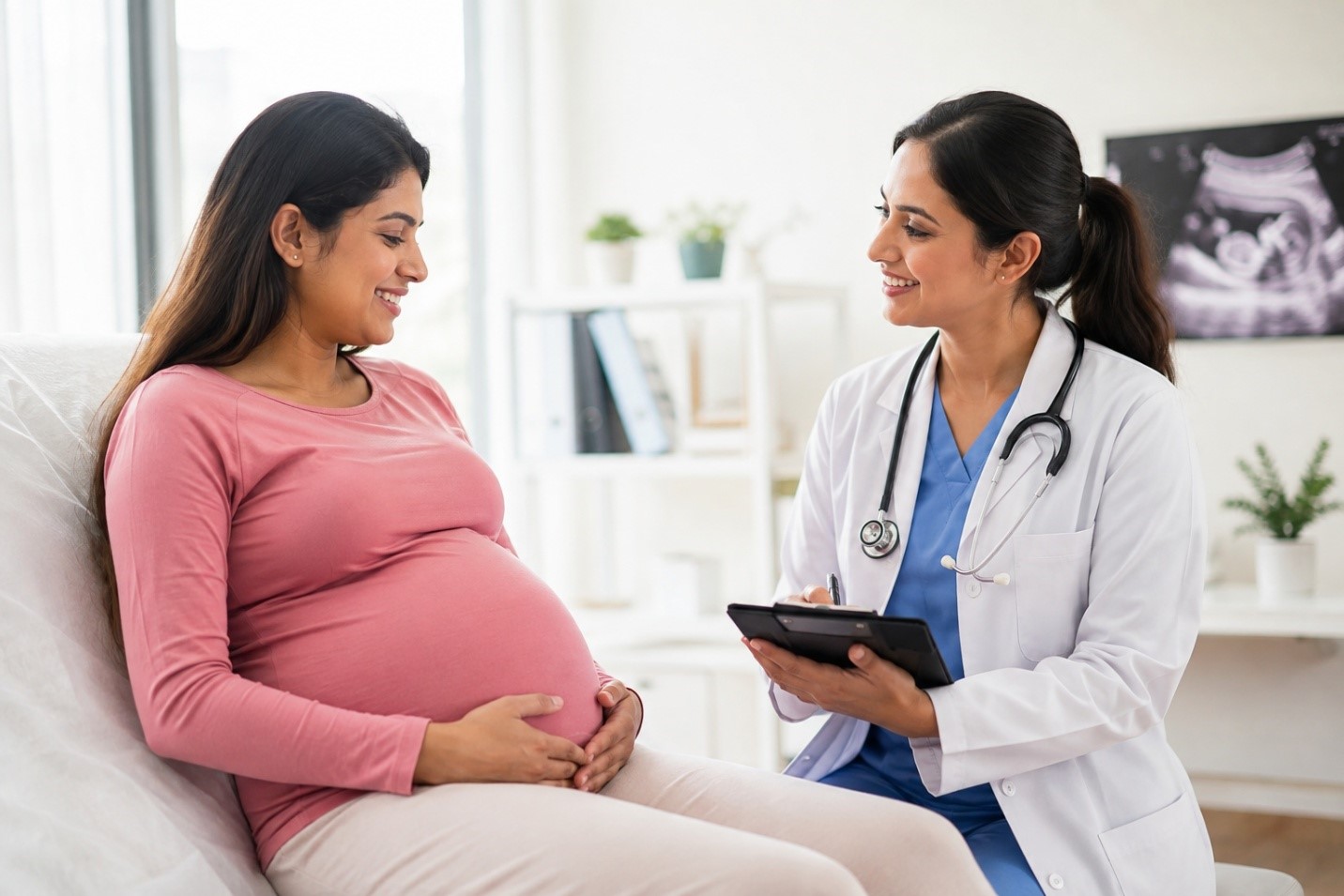
Routine visits to a family medical center allow healthcare professionals to:
• Track height, weight, and developmental milestones
• Identify patterns such as frequent infections or delayed growth
• Provide early guidance on nutrition, sleep, and physical activity
This proactive approach helps children stay healthier and recover faster when illness does occur.
The Role of Immunisation in Preventative Health
Immunisation is one of the most effective preventive tools available in modern healthcare. Vaccines protect children from serious and preventable diseases that once caused widespread illness and long-term disability.
By following the recommended immunisation schedule, children develop immunity at the right stages of growth.
This reduces:
• The severity of infections
• The spread of disease within the community
• The risk of long-term complications
Immunisation is a core pillar of preventative health and a proven method for protecting childhood health at both an individual and population level.
Why Screenings and Growth Checks Are Essential
Screenings and growth checks help detect health concerns that may not be obvious to parents. Vision issues, hearing difficulties, nutritional deficiencies, and developmental delays often become easier to treat when identified early.
Regular assessments allow healthcare providers to:
• Compare growth patterns over time
• Identify early warning signs of chronic conditions
• Recommend timely interventions or referrals
These checks ensure children receive the support they need during key stages of development, reducing the need for more complex treatment later.
Long-Term Impact of Preventative Health on Adult Outcomes
The benefits of preventive care extend far beyond childhood. Research consistently shows that children who receive regular preventive healthcare are more likely to become healthier adults.
Long-term benefits include:
• Lower risk of chronic diseases
• Better management of conditions such as asthma or allergies
• Improved mental and emotional wellbeing
• Reduced hospital admissions in adulthood
By prioritising preventative health early, families invest in healthier futures and reduce long-term healthcare burdens.
When Should Families Prioritise Preventive Care?
Preventive care should begin from infancy and continue through adolescence. Families should schedule regular check-ups even when children appear healthy. These visits create opportunities for education, reassurance, and early intervention.
Parents should also seek medical advice if they notice:
- Changes in growth or behaviour
- Frequent illness or fatigue
- Developmental concerns
- Missed immunisations or screenings
A trusted family medical center provides continuity of care, helping families navigate each stage of childhood with confidence.
Conclusion: Building Strong Foundations for Lifelong Health
Preventative health care is one of the most powerful ways to improve childhood health outcomes. Through early intervention, immunisation, routine screenings, and consistent monitoring, children are better protected against illness and long-term health risks.
At Family Clinics, families receive comprehensive preventive care designed to support healthy childhood development and long-term wellbeing through independent consulting GPs. Their patient-focused approach ensures children and parents are supported at every stage within a trusted family medical center environment.
Frequently Asked Questions (FAQs)
What is preventative health care for children?
Preventative health care includes regular check-ups, immunisations, screenings, and early interventions to maintain health and prevent illness.
How often should children have preventive health check-ups?
The frequency depends on age, but regular visits are recommended throughout infancy, childhood, and adolescence.
Can preventative health reduce serious illness later in life?
Yes. Early preventive care lowers the risk of chronic disease and improves long-term health outcomes.
Are growth checks really necessary if my child seems healthy?
Yes. Growth checks help identify issues that may not be immediately visible and ensure healthy development.