
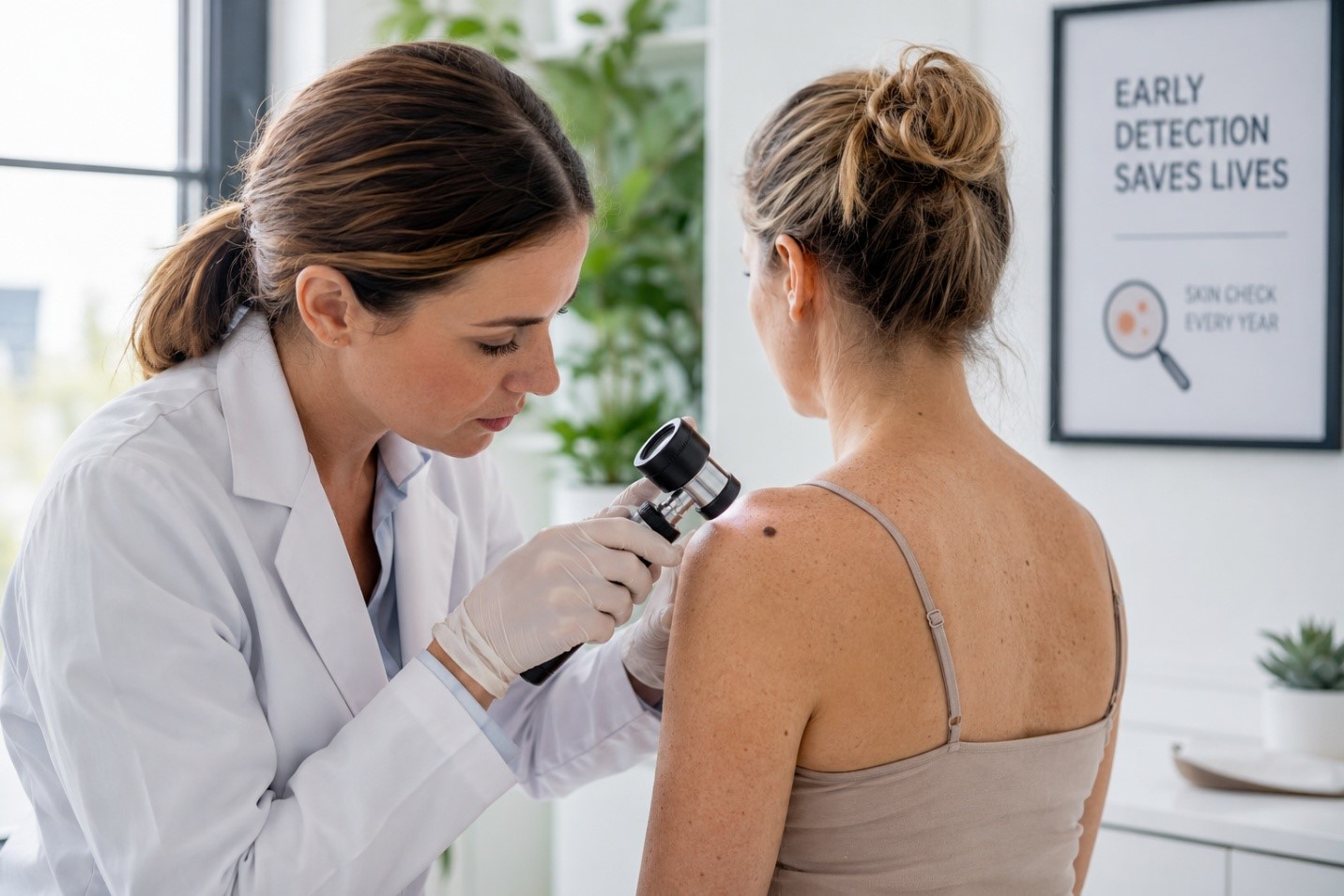
Skin cancer is one of the most common forms of cancer, yet it is also among the most treatable when detected in its early stages. Many skin changes develop gradually and may not cause discomfort, making them easy to overlook. Regular skin examinations play an important role in identifying unusual moles, spots, or lesions before they become more serious.
Understanding how early detection works and why professional skin assessments matter can help individuals take a proactive approach to their health.
What Is Skin Cancer?
Skin cancer occurs when abnormal skin cells grow uncontrollably due to damage in the skin’s DNA. This damage is often linked to prolonged exposure to ultraviolet (UV) radiation from the sun or artificial tanning devices. While anyone can develop skin cancer, certain factors such as fair skin, a history of sunburn, frequent outdoor activities, and a family history of the condition may increase the likelihood.
Early identification is important because many forms of skin cancer can be successfully managed before they spread to surrounding tissues or other parts of the body.
Why Is Early Detection So Important?
Detecting skin cancer at an early stage often means treatment can begin before the condition progresses. Early diagnosis may help reduce the complexity of treatment and improve long-term health outcomes.
Routine skin examinations can identify suspicious changes that may not be noticeable during everyday activities. Since many skin cancers develop slowly, regular monitoring allows healthcare professionals to compare changes over time and recommend further investigation when necessary.
How Does a Skin Examination Work?
A professional skin assessment is a systematic examination of the skin from head to toe. During the examination, a healthcare professional carefully checks areas that are commonly exposed to sunlight as well as less visible parts of the body.
The assessment may include:
- Examining existing moles and freckles
- Looking for newly developed skin lesions
- Identifying changes in color, size, or shape
- Checking for sores that do not heal
- Assessing unusual patches or persistent skin changes
If an area appears suspicious, additional evaluation or diagnostic testing may be recommended.
What Signs Should Never Be Ignored?
Many skin changes are harmless, but some symptoms should prompt a professional assessment. Common warning signs include:
- A mole that changes in size, shape, or color
- New growths that appear unexpectedly
- A sore that does not heal within several weeks
- Persistent itching or bleeding from a skin lesion
- Rough, scaly, or crusted patches
- Dark streaks under fingernails or toenails
- A spot that looks different from surrounding moles
These changes do not always indicate skin cancer, but they should be evaluated promptly.
How Can a Skin Cancer Clinic in Armadale Support Early Detection?
A Skin Cancer Clinic in Armadale provides focused skin assessments designed to identify suspicious lesions at the earliest possible stage. Healthcare professionals use clinical examination techniques to assess skin abnormalities and determine whether additional testing is required.
Routine visits allow changes to be monitored over time, making it easier to recognize developing concerns before they become advanced. Individuals with higher sun exposure, numerous moles, or previous skin conditions may particularly benefit from regular skin assessments.
Who Should Consider Regular Skin Checks?
Although everyone should be aware of changes to their skin, some individuals may benefit from more frequent examinations.
This includes people who:
- Spend significant time outdoors
- Have fair or sun-sensitive skin
- Have experienced multiple severe sunburns
- Possess numerous moles or freckles
- Have a personal or family history of skin cancer
- Are over the age of 40
- Have weakened immune systems
Even individuals without known risk factors can develop skin cancer, making regular awareness important for everyone.
How Often Should Skin Checks Be Performed?
The recommended frequency depends on individual risk factors. Some people may only require periodic skin examinations, while others with increased risk may be advised to have more frequent assessments.
In addition to professional examinations, self-checks performed every month can help identify new or changing spots between appointments. Becoming familiar with your own skin makes it easier to recognize unusual changes early.
What Happens If a Suspicious Spot Is Found?
Finding a suspicious skin lesion does not automatically mean cancer is present. Healthcare professionals may recommend additional assessment, monitoring, or a biopsy to determine the nature of the abnormality.
A biopsy involves removing a small sample of tissue for laboratory examination. The results help determines whether treatment is necessary and what management approach is most appropriate.
Everyday Habits That Support Skin Health
While no method completely eliminates the risk of skin cancer, several protective measures may reduce UV-related skin damage.
Helpful habits include:
- Applying – sunscreen daily
- Wearing protective clothing and wide-brimmed hats
- Seeking shade during peak UV hours
- Wearing UV-protective sunglasses
- –
- Performing regular self-examinations
- Scheduling routine professional skin assessments
Consistent sun protection, combined with regular monitoring, contributes to better long-term skin health.
Frequently Asked Questions
Can skin cancer develop without pain?
Yes. Many types of skin cancer develop without causing pain or discomfort, which is why visual skin examinations are important.
Are all changing moles cancerous?
No. Many moles change naturally over time. However, any noticeable change should be assessed by a healthcare professional.
Is skin cancer only caused by sun exposure?
Sun exposure is a major risk factor, but genetics, immune system health, and previous skin damage may also contribute.
Can younger people develop skin cancer?
Yes. Although risk generally increases with age, skin cancer can occur in younger adults as well.
Conclusion
Early detection remains one of the most effective ways to improve the management of skin cancer. Regular skin examinations, awareness of changing skin lesions, and ongoing sun protection all contribute to identifying concerns before they become more advanced.
A Skin Cancer Clinic offers structured assessments that help monitor skin health and identify suspicious changes requiring further evaluation. Staying observant and scheduling routine examinations are important steps toward protecting your skin.