
Blog Content Highlights
- How physiotherapy supports women’s health during pregnancy
- Prenatal physiotherapy for strength, posture, and birth preparation
- Postnatal physiotherapy for recovery, core strength, and pelvic health
- The role of a physiotherapy clinic in long-term maternal wellbeing
- Common FAQs about pregnancy and postnatal physiotherapy
Introduction
Pregnancy and the postnatal period bring profound physical changes to a woman’s body. From hormonal shifts to changes in posture, joint stability, and muscle strength, these transitions can affect mobility, comfort, and overall wellbeing. Physiotherapy plays an important role in supporting women’s health during this phase by helping the body adapt safely and recover effectively. Within a women’s health clinic, physiotherapy is commonly used as an evidence-based approach to maintain strength, manage pain, and promote long-term functional health before and after childbirth.
Physiotherapy During Pregnancy: Supporting a Changing Body
Managing Musculoskeletal Changes
As pregnancy progresses, weight distribution changes and joints become more flexible due to hormonal influences. This can lead to back pain, pelvic discomfort, and joint strain. A qualified physiotherapist assesses posture, movement patterns, and muscle balance to help reduce stress on the spine and pelvis.
Improving Strength and Stability
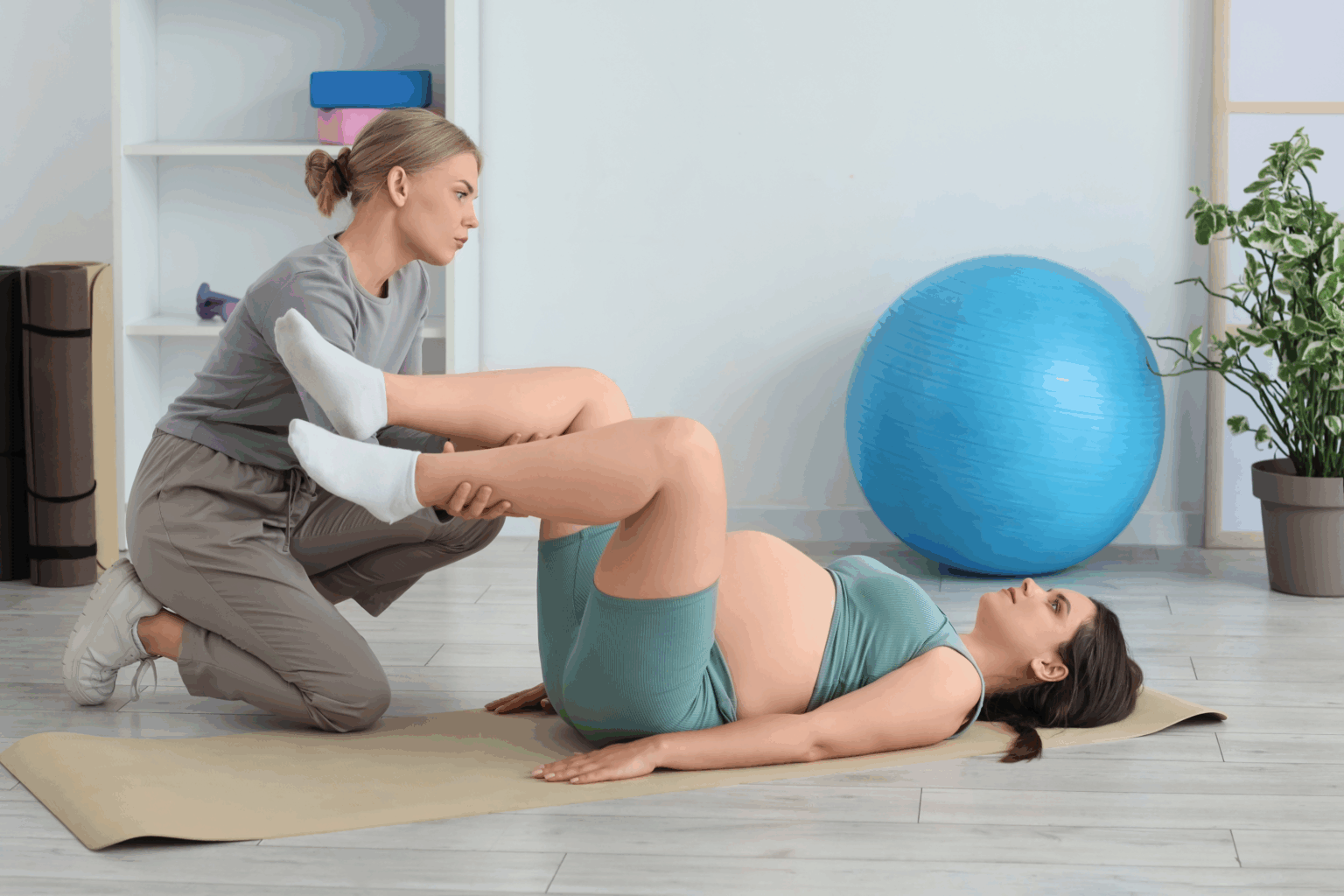
Prenatal physiotherapy focuses on strengthening key muscle groups, including the core, hips, and pelvic floor. Gentle, guided exercises help maintain stability and support daily movements such as walking, sitting, and lifting.
Preparing for Childbirth
Physiotherapy during pregnancy often includes breathing techniques, pelvic floor awareness, and mobility exercises. These strategies help women understand how their bodies work during labor, supporting more efficient movement and relaxation.
The Role of Pelvic Floor Physiotherapy in Women’s Health
The pelvic floor plays a central role in bladder control, pelvic stability, and postural support. During pregnancy, increased pressure can weaken these muscles. Physiotherapists in a women’s health clinic provide education and targeted exercises to improve pelvic floor function, helping reduce the risk of issues such as incontinence or pelvic discomfort both during pregnancy and after delivery.
Postnatal Physiotherapy: A Holistic Recovery Approach
Restoring Core Strength
After childbirth, many women experience reduced abdominal strength or conditions such as diastasis recti (abdominal separation). Postnatal physiotherapy focuses on safe, progressive exercises that rebuild core strength without placing excessive strain on healing tissues.
Addressing Pelvic Instability and Pain
Pelvic and lower back pain can persist after pregnancy due to muscle imbalance or joint changes. Physiotherapy helps restore alignment, improve muscle coordination, and support comfortable movement as the body recovers.
Supporting Everyday Function
New mothers often lift, carry, and feed their babies in repetitive positions. Physiotherapists provide guidance on posture and movement techniques to reduce strain and prevent long-term discomfort, supporting overall women’s health beyond the early postnatal period.
Why Physiotherapy Is Important for Long-Term Women’s Health
Physiotherapy is not limited to short-term recovery. By addressing movement patterns, muscle balance, and pelvic health early, a physiotherapy clinic helps women reduce the risk of chronic pain, weakness, or pelvic floor issues later in life. This proactive approach supports physical confidence and functional independence as women transition into different life stages.
Choosing a Physiotherapy Clinic for Pregnancy and Postnatal Care
A dedicated women’s health clinic provides physiotherapy tailored to the unique needs of pregnancy and postnatal recovery. Care is typically individualized, focusing on assessment, education, and gradual progression rather than one-size-fits-all exercise routines.
Conclusion
Physiotherapy plays a valuable role in supporting women through pregnancy and postnatal recovery by addressing physical changes, promoting safe movement, and supporting long-term wellbeing. Within a structured women’s health clinic environment, physiotherapy helps women regain strength, stability, and confidence during a significant life transition. Clinics such as Family Clinics support pelvic floor physiotherapists who offer supportive and comprehensive evidence-based care tailored to individual needs.
Frequently Asked Questions (FAQs)
Is physiotherapy safe during pregnancy?
Yes. When provided by a qualified professional, physiotherapy uses safe, pregnancy-appropriate techniques and exercises.
When should postnatal physiotherapy begin?
This varies, but many women benefit from an assessment within the first few weeks after childbirth, depending on delivery type and recovery.